

 Call us:



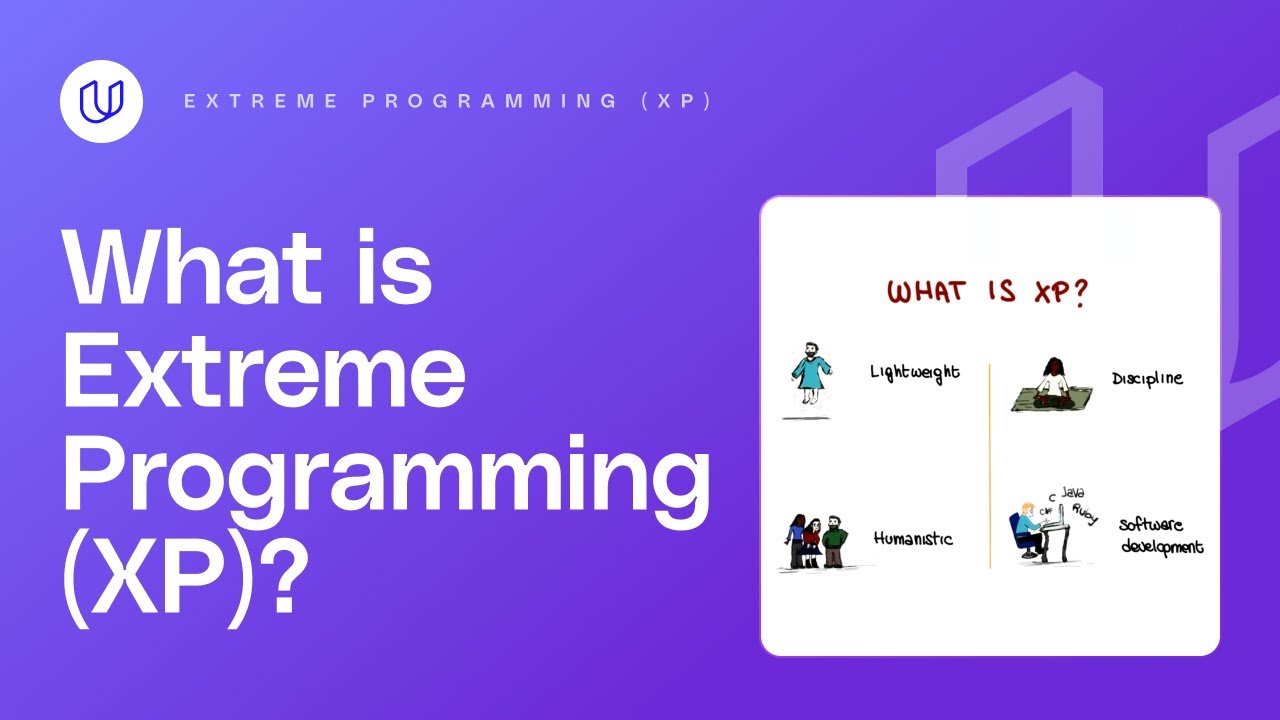

XP (Extreme Programing)
Course Title: XP, Lean, and Agile Methodologies in Software Development
Duration: 8-10 weeks (adjustable based on intensity)
Target Audience: Software developers, project managers, team leaders, and tech enthusiasts who want to improve their understanding and implementation of agile methodologies in software development.
Week 1: Introduction to Agile Methodologies
- Overview of Agile Principles: Agile Manifesto, core values, and principles.
- Why Agile?: Benefits and challenges in the modern software development landscape.
- Key Agile Methodologies: XP, Scrum, Lean, Kanban, and DevOps.
- Comparative Analysis: How XP, Lean, and other Agile methods align with Agile principles.
Week 2: Extreme Programming (XP) – Principles and Practices
- Introduction to XP: History and core values (simplicity, communication, feedback, courage, and respect).
- XP Practices: Test-driven development (TDD), pair programming, continuous integration, and refactoring.
- XP Roles and Responsibilities: Developers, customers, coaches, and testers.
- XP Planning and Execution: User stories, iterations, releases, and feedback loops.
- XP in Real Projects: Case studies and examples of successful XP implementations.
Week 3: XP in Detail – Core Techniques
- Test-Driven Development (TDD): Writing tests before code, unit testing, and integration testing.
- Pair Programming: Benefits, challenges, and real-world application.
- Continuous Integration (CI): Building and testing code frequently, ensuring that changes integrate seamlessly.
- Refactoring: Improving the design of existing code without altering its behavior.
Week 4: Lean Software Development
- Introduction to Lean: History and evolution from Lean Manufacturing to Lean Software Development.
- Lean Principles: Eliminate waste, build quality in, deliver fast, optimize the whole, and continuous learning.
- Lean Practices: Value stream mapping, pull systems, and minimizing work in progress (WIP).
- Lean Metrics: Lead time, cycle time, and throughput.
- Lean in Action: How Lean is applied in software development teams.
Week 5: Advanced Lean Practices
- Continuous Improvement (Kaizen): Small, incremental improvements and their impact on project success.
- Lean in Agile Teams: Combining Lean with Scrum and XP.
- Flow and Pull: Managing workflow using Lean principles.
- Lean Tools: Kanban boards, visualizing work, and managing bottlenecks.
Week 6: Other Agile Methodologies
- Scrum: Roles (Product Owner, Scrum Master, Developers), artifacts, and ceremonies.
- Kanban: Visualizing workflow, limiting WIP, and continuous delivery.
- DevOps: Integrating development and operations for faster delivery.
- Comparing Agile Methodologies: How Scrum, XP, Lean, and Kanban differ and complement each other.
Week 7: Implementation Challenges and Best Practices
- Cultural Barriers: Adapting Agile in traditional or rigid organizational structures.
- Scaling Agile: Applying XP and Lean in large organizations or distributed teams.
- Combining Methodologies: Blending Lean, XP, and Scrum in hybrid models.
- Case Studies: Real-world examples of how companies have successfully implemented XP, Lean, or other agile frameworks.
Week 8: Hands-On Projects and Group Exercises
- Project Setup: Teams are assigned a software development project to apply XP, Lean, and other methodologies.
- Simulation of Agile Environment: Teams go through planning, iterations, reviews, and retrospectives.
- XP Practices in Action: Pair programming, TDD, and continuous integration applied in the project.
- Lean Practices in Action: Use of value stream mapping, Kanban boards, and flow optimization.
Week 9: Evaluation and Iteration
- Project Review: Teams present their project progress, challenges, and results.
- Feedback and Retrospectives: Continuous improvement through feedback from peers and instructors.
- Adjusting for Real-World Application: How to tweak methodologies to fit specific project needs.
Week 10: Conclusion and Certification
- Review of Key Concepts: XP, Lean, Scrum, Kanban, and DevOps.
- Final Exam/Project Submission: Evaluate understanding and application of methodologies.
- Certification: Participants receive a certificate of completion upon successfully completing the course.