
 Call us:




Scaled Agile Framework
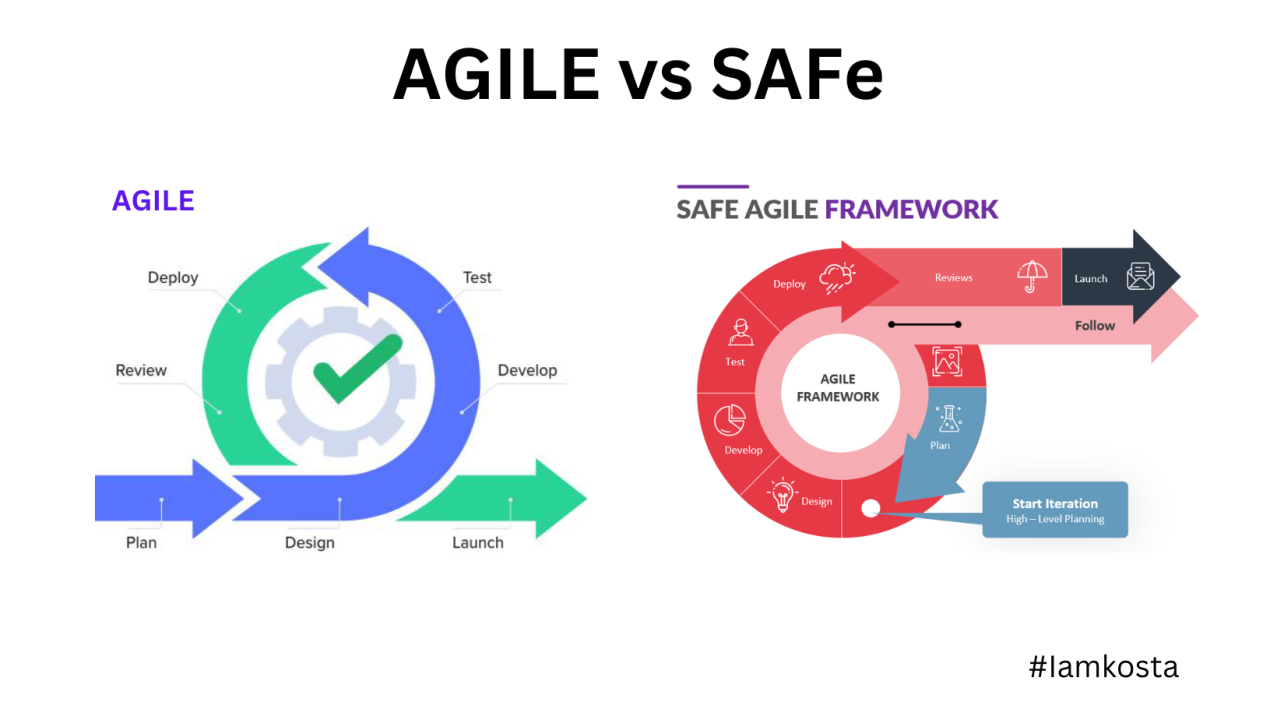
The Scaled Agile Framework (SAFe) is a methodology designed to help large organizations implement Agile practices at an enterprise scale. SAFe provides guidance on roles, responsibilities, and processes across different levels of an organization to deliver high-quality software efficiently. Here's a breakdown of the SAFe course and curriculum:
1. Leading SAFe (SAFe Agilist Certification)
- Target Audience: Executives, managers, leaders, and Agile change agents.
- Duration: 2 days
- Course Focus:
- Overview of SAFe principles and the Agile mindset.
- Lean-Agile leadership and organizational change management.
- Implementing Agile Release Trains (ARTs) to align strategy with execution.
- Planning and executing Program Increment (PI) events.
- Scaling Agile practices across an enterprise.
- Certifications: SAFe Agilist (SA).
2. SAFe Scrum Master (SSM)
- Target Audience: Scrum Masters, team leads, or aspiring Scrum Masters.
- Duration: 2 days
- Course Focus:
- Role of Scrum Master in a SAFe enterprise.
- Facilitating cross-team collaboration and Agile ceremonies.
- Planning and executing PIs.
- Continuous delivery and DevOps practices.
- Certifications: SAFe Scrum Master (SSM).
3. SAFe Advanced Scrum Master (SASM)
- Target Audience: Experienced Scrum Masters.
- Duration: 2 days
- Course Focus:
- Improving team dynamics and Agile practices.
- Advanced facilitation techniques.
- Agile metrics for flow and quality.
- Supporting teams across the ARTs.
- Certifications: SAFe Advanced Scrum Master (SASM).
4. SAFe Product Owner/Product Manager (POPM)
- Target Audience: Product owners and product managers.
- Duration: 2 days
- Course Focus:
- Roles of product owners and product managers in the enterprise.
- Managing backlogs and prioritizing features.
- Delivering value through PIs.
- Certifications: SAFe Product Owner/Product Manager (POPM).
5. SAFe for Teams (SAFe Practitioner - SP)
- Target Audience: Agile team members working on ARTs.
- Duration: 2 days
- Course Focus:
- Understanding SAFe and Agile principles for teams.
- Collaborating with other teams in an ART.
- Continuous delivery and DevOps practices.
- Certifications: SAFe Practitioner (SP).
6. SAFe DevOps (SDP)
- Target Audience: DevOps engineers, developers, system administrators.
- Duration: 2 days
- Course Focus:
- Continuous delivery pipeline, DevOps practices.
- Value stream mapping.
- Automating testing, deployment, and monitoring.
- Certifications: SAFe DevOps Practitioner (SDP).
7. SAFe Release Train Engineer (RTE)
- Target Audience: Release Train Engineers, program managers, Agile coaches.
- Duration: 3 days
- Course Focus:
- Leading and facilitating ART events.
- Managing PI execution and resolving risks.
- Continuous improvement and Lean-Agile coaching.
- Certifications: SAFe Release Train Engineer (RTE).
8. SAFe for Government (SGP)
- Target Audience: Public sector organizations.
- Duration: 2 days
- Course Focus:
- Implementing SAFe in government settings.
- Planning and executing Agile transformation in public agencies.
- Certifications: SAFe Government Practitioner (SGP).
9. SAFe Architect (ARCH)
- Target Audience: Enterprise, Solution, and System Architects.
- Duration: 2 days
- Course Focus:
- Architecting for continuous delivery.
- Agile architecture and Lean-Agile transformation.
- Supporting PI planning and execution.
- Certifications: SAFe Architect (ARCH).
Curriculum Features:
- PI Planning: Core to SAFe, it involves regular planning sessions to align teams.
- Lean-Agile Principles: Every course emphasizes the application of Lean principles and Agile values at scale.
- Team Collaboration: Courses often focus on how to foster collaboration across Agile teams.
- Certifications: Most SAFe courses culminate in an exam, granting certification after successful completion.
Each course includes hands-on exercises, real-world examples, and case studies to help learners implement what they have learned within their organization.