

 Call us:



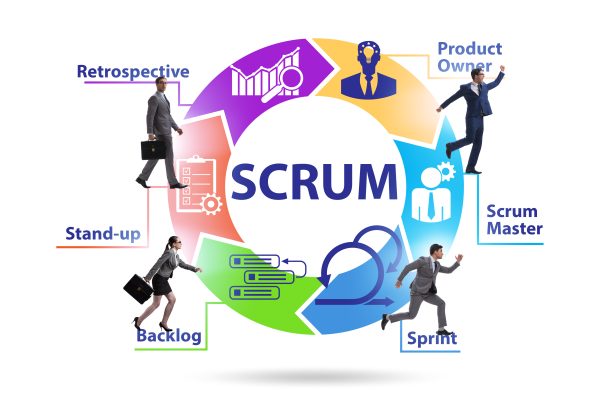

Scrum Master
A Scrum Master course typically covers the principles, practices, and tools necessary to facilitate and lead a Scrum team effectively. Below is a general outline of a Scrum Master course curriculum:
1. Introduction to Agile and Scrum
- Agile Overview: Understanding the Agile Manifesto, principles, and values.
- Scrum Framework: Core concepts, roles, events, and artifacts.
- Scrum vs. Other Agile Frameworks: How Scrum compares with other Agile methodologies like Kanban and XP.
2. Scrum Roles
- Scrum Master: Responsibilities, authority, and how to serve the team, Product Owner, and organization.
- Product Owner: Role in managing the product backlog and maximizing value.
- Development Team: Characteristics of a self-organizing, cross-functional team.
3. Scrum Events (Ceremonies)
- Sprint Planning: Setting goals, deciding what to accomplish during a sprint.
- Daily Scrum: Facilitating short, daily team sync-ups.
- Sprint Review: Presenting work to stakeholders, gathering feedback.
- Sprint Retrospective: Identifying what went well and what to improve.
- Sprint: Time-boxed iteration where a potentially shippable product increment is created.
4. Scrum Artifacts
- Product Backlog: Managing the evolving list of features, enhancements, and fixes.
- Sprint Backlog: Defining the work for the upcoming sprint.
- Increment: The outcome or product delivered at the end of a sprint.
- Definition of Done: Criteria for determining if a task or feature is complete.
5. Scrum Practices and Tools
- Backlog Refinement: Prioritizing and clarifying product backlog items.
- User Stories: Writing and breaking down stories, acceptance criteria.
- Story Points & Estimation: Relative estimation techniques (e.g., Planning Poker).
- Burndown Charts: Tracking progress and remaining work.
- Velocity: Understanding and measuring team output.
6. Scrum Master’s Role as a Servant Leader
- Facilitation Techniques: Effective meeting facilitation and conflict resolution.
- Coaching & Mentoring: Helping teams become self-organizing and efficient.
- Removing Impediments: Identifying and addressing blockers to team progress.
7. Scaling Scrum
- Scrum of Scrums: Coordinating across multiple teams.
- Scaled Agile Frameworks (SAFe): Introduction to frameworks for scaling Agile practices across larger organizations.
8. Metrics and Continuous Improvement
- Tracking and Reporting: Key Scrum metrics for tracking performance.
- Kaizen in Scrum: Implementing continuous improvements during retrospectives.
- Cycle Time, Lead Time: Understanding team performance indicators.
9. Scrum Master Certification Exam Preparation (if applicable)
- Exam Structure: Understanding how certification exams (e.g., PSM, CSM) are structured.
- Practice Exams: Taking mock tests to familiarize with exam format.
- Key Concepts Review: Revisiting important Scrum practices and principles.
10. Real-world Applications
- Case Studies: Learning from real-world examples of Scrum implementations.
- Common Challenges: How to handle issues like team resistance, scope creep, or stakeholder misalignment.
- Scaling Scrum in Enterprises: Best practices for large teams and distributed teams.
Additional Resources
- Scrum Guides: The official Scrum Guide and related reading material.
- Agile Tools: Introduction to tools like Jira, Trello, and Azure DevOps.
This curriculum is often offered in a format of interactive learning with simulations, role-playing exercises, quizzes, and case studies to prepare participants for real-world Scrum Master roles.